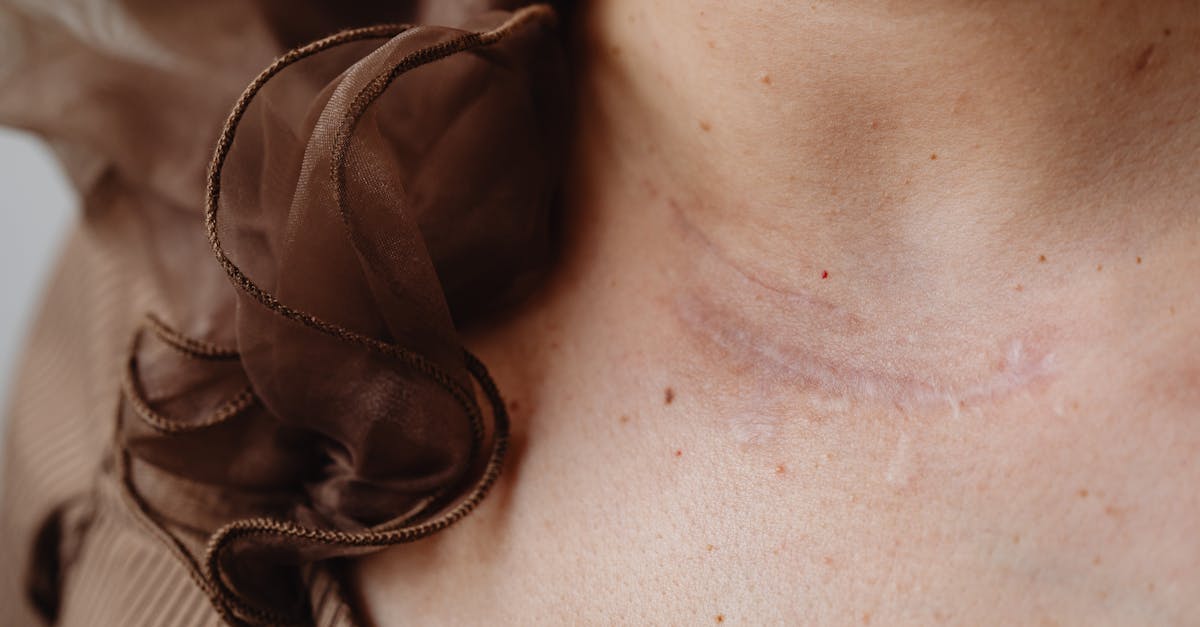
You can love natural skincare, adore spa‑quality rituals, and still be very firm about one thing:
You do not remove moles at home.
As a holistic, corneotherapy‑focused dermatologist, I want you to enjoy luxurious, edible‑ingredient skincare while also protecting your health and your skin barrier. When it comes to moles, that means two parallel truths:
- DIY or “natural” remedies cannot safely remove moles.
- You can use home care to support the skin around moles, to keep it soothed, even‑toned, and resilient, so professional exams and treatments are as safe and clear as possible.
This guide walks you through both sides: what moles are, when they’re dangerous, why you must never burn, scrub, or “dissolve” them at home, and then, the fun part, how to build spa‑quality, food‑based rituals that pamper the surrounding skin without harming or hiding the mole itself.
You’ll find 15+ carefully designed masks, serums, rinses, and even internal teas, all using simple, edible ingredients. Every recipe is:
- Barrier‑respectful (pH‑aware and gentle)
- Clearly labeled by skin type (oily, dry, sensitive, combination)
- Paired with strict patch‑test instructions
And throughout, I’ll be very honest about what home care can and cannot realistically do. A yogurt mask can calm redness: it can’t erase a congenital mole. Lemon water can nudge tone: it won’t undo deep, genetic pigmentation or melanoma.
Let’s start with the basics, understanding what you’re actually looking at when you see a mole.
Understanding Moles: What They Are And Why They Appear
Moles (medical term: melanocytic nevi) are clusters of melanocytes, the pigment‑producing cells that make melanin. Instead of being evenly spread out, these cells gather in a little group, creating a spot that’s usually tan, brown, pink, or nearly black.
They’re influenced by:
- Genetics – you often “inherit” your tendency for number and type of moles.
- Sun exposure – UV light stimulates melanocytes.
- Age and hormones – many appear in childhood and teens: most new ones stop showing up around age 40.
Moles can be flat or raised, tiny or larger, uniform or irregular. Some stay unchanged for decades. Others evolve, and that’s where your vigilance matters.
Types Of Common Moles
You don’t need to memorize every subtype, but knowing the basics helps you decide when to simply watch and when to call your dermatologist.
- Common moles (acquired nevi)
These are the everyday moles most adults have (usually 10–40 of them). They’re typically:
- Small (under about 5–6 mm)
- Round or oval and fairly symmetrical
- One even color (pink, tan, or brown)
- Smooth‑edged and dome‑shaped or flat
- Congenital moles
Present at birth or shortly after. They range from small to very large. Larger congenital moles (over ~20 mm) carry a higher, though still relatively rare, melanoma risk and must be followed by a professional.
- Dysplastic nevi (atypical moles)
These look a bit unusual: larger, irregular borders, multiple or uneven colors (pink mixed with various browns). They are not melanoma by definition but indicate a higher risk of melanoma and deserve regular checks.
- Blue nevi
These appear blue‑gray to nearly black because pigment cells are deeper in the skin, changing how light scatters. Often benign but can mimic melanoma, never ignore a new or changing deep blue‑black spot.
There are other subtypes (halo nevi, Spitz nevi, compound nevi), but the key takeaway is this: shape, color pattern, and change over time matter more than the label.
When A Mole Is Usually Harmless
A mole is more likely to be benign if it:
- Is small (under about 5 mm)
- Is symmetrical (one half mirrors the other)
- Has smooth, distinct edges
- Has one even color
- Has not changed, no recent growth, darkening, bleeding, or itching
If you’ve had the same tiny, uniform brown dot on your arm since high school and it hasn’t budged, that’s usually reassuring.
Still, “usually harmless” does not mean “never check.” Sun exposure, burns, and time can still change cells. Think of your moles as long‑term houseguests, you don’t need to stare at them constantly, but you do want to notice if one suddenly starts rearranging the furniture.
Warning Signs: When A Mole May Be Dangerous
The classic tool is the ABCDE rule:
- A – Asymmetry: one half looks different from the other.
- B – Border: edges are irregular, jagged, blurred, or notched.
- C – Color: more than one color, or very uneven color (tan, brown, black, red, white, or blue areas).
- D – Diameter: larger than about 6 mm (the size of a pencil eraser), especially if growing.
- E – Evolving: any change, in size, shape, color, surface, or symptoms like itching or bleeding.
You should also pay attention if:
- A mole looks dramatically different from your other moles (“the ugly duckling“).
- You have many atypical moles or a strong family history of melanoma.
Any of these is a reason to stop all DIY treatments on or near that mole and schedule a prompt dermatology visit. It’s much better to have a “false alarm” than to miss an early melanoma.
Why You Should Not Try To Remove Moles At Home
You’ll see endless online claims that you can erase moles with apple cider vinegar, garlic pastes, black salves, harsh oils, or aggressive scrubs.
You cannot safely do that.
From a medical and holistic perspective, DIY mole removal is one of the few absolute red lines in home skincare.
Risks Of DIY Mole Removal
Trying to burn, peel, or “dissolve” a mole at home can lead to:
- Infection – Open wounds invite bacteria. Even a “simple” burn from vinegar or garlic can become a painful, infected ulcer.
- Scarring and discoloration – Over‑the‑counter acids, salves, or sharp tools can destroy collagen and pigment cells, leaving permanent pits, raised scars, or white patches.
- Incomplete removal – You may damage the surface while leaving abnormal cells deeper in the skin. If the mole is or becomes melanoma, this can allow cancer to persist or spread.
- Delayed diagnosis – Burns and scabs can mask the structure and color of a mole, making it harder for a dermatologist to read the warning signs.
In other words: DIY mole removal doesn’t just “not work” well, it actively increases risk.
Why “Natural” Does Not Always Mean Safe For Moles
Many seemingly wholesome ingredients can be remarkably caustic on concentrated skin contact:
- Apple cider vinegar (ACV) is acidic enough to cause chemical burns, especially under occlusion (e.g., a bandage overnight).
- Raw garlic contains sulfur compounds that are powerfully irritating and can blister skin.
- Black salves and herbal “drawing” pastes often contain strong escharotics (tissue‑destroying agents) that can eat through healthy skin.
Yes, these are “natural.” So is poison ivy.
A corneotherapy mindset means protecting your barrier first. Burning or dissolving tissue, whether with lab‑made acid or kitchen ingredients, directly opposes that principle.
When To See A Dermatologist Instead Of Using Home Remedies
Skip home remedies and book a professional visit if:
- A mole meets any ABCDE criteria.
- A mole is new after age 40.
- You notice bleeding, crusting, or recurrent scabbing.
- You have many atypical moles or a strong family history (especially Familial Atypical Multiple Mole Melanoma, or FAMMM).
- A mole is constantly irritated by clothing, shaving, or jewelry and you’re tempted to “just take it off.”
Only a professional exam (often with a dermatoscope and, if needed, biopsy) can tell you whether a mole is harmless or needs removal, and if removal is needed, it should be done in a way that fully excises the lesion and preserves diagnostic tissue.
Your role at home isn’t to play surgeon. It’s to protect, observe, and support the surrounding skin.
What “Home Remedies For Moles” Can Realistically Do
Here’s the honest, science‑based answer:
No home remedy, natural or synthetic, has been proven to safely remove moles.
What you can do at home is:
- Keep the surrounding skin calm, hydrated, and glowing.
- Reduce redness or irritation around a mole so changes are easier to see.
- Protect your skin from UV, friction, and chronic inflammation.
Think of your DIY rituals as creating a beautiful, healthy “frame” around the mole, while your dermatologist remains responsible for the mole itself.
Supporting Overall Skin Health Around Moles
Healthy skin around a mole makes:
- Exams easier (your dermatologist can see real patterns, not just irritation).
- You feel more comfortable, especially in areas prone to friction.
You can support this with:
- Gentle cleansing (no harsh soaps or high‑pH cleansers)
- Edible, pH‑friendly masks and compresses (yogurt, oats, honey)
- Barrier‑supporting oils rich in fatty acids (jojoba, squalane, oat oil)
Reducing Irritation, Redness, And Darkening (Not The Mole Itself)
You may notice the skin around a mole becoming:
- Red or tender (from shaving, tight clothing, or picking)
- Darker (post‑inflammatory hyperpigmentation, sun exposure)
Home care can often:
- Calm redness with soothing ingredients (oats, green tea, aloe‑type gels)
- Gently brighten surrounding uneven tone with mild, food‑based ingredients (rice water, diluted yogurt, niacinamide‑rich foods like oats)
But keep expectations grounded:
Rice water can refine and brighten surface tone over weeks: it won’t erase a congenital mole or deep genetic pigmentation overnight.
Managing Triggers: Sun, Friction, And Inflammation
Your most powerful “home remedy” for moles is reducing triggers that can stress pigment cells:
- Sun – UV is a major driver of both new moles and mole changes.
- Friction – Bra straps, waistbands, and shaving can inflame skin around moles.
- Inflammation – Over‑exfoliation, harsh peels, or irritant products disturb the barrier.
We’ll cover specific daily habits later, but keep in mind: prevention is far more effective than trying to undo damage.
Patch Test And Safety Rules For Any At‑Home Skincare
For every recipe in this guide, follow these non‑negotiables:
- Never apply directly on a suspicious mole. Keep at least a 2–3 mm buffer around it.
- Patch test first:
- Apply a tiny amount to the inner forearm.
- Leave on for the intended contact time (e.g., 10–15 minutes), then rinse.
- Watch for 24–48 hours. If you see stinging, itching, bumps, or persistent redness, do not use it on your face or body.
- If you have known sensitive skin or rosacea, avoid formulas with even mild acids (citrus, vinegar) or strong essential oils.
- If a recipe tingles, burns, or looks alarming, rinse immediately with cool water, stop using it, and contact your dermatologist if irritation persists.
Now let’s look at gentle, edible ingredients that can nurture the skin around your moles without harming your barrier.
Edible, Gentle Ingredients To Calm Skin Around Moles
When you’re caring for skin near moles, you want ingredients that are naturally close to skin’s own mildly acidic pH (around 4.5–5.5) and that support the barrier rather than stripping it.
Soothing Bases: Yogurt, Oat, And Aloe‑Inspired Gels
Plain yogurt (unsweetened, full‑fat)
- Natural pH typically falls between ~4.5–4.8.
- Contains lactic acid in very gentle levels plus soothing fats and proteins.
- Best for: Normal, dry, combination skin.
- Use cautiously on very sensitive or rosacea‑prone skin, patch test, as even mild acids can sting.
Colloidal oats / finely ground oats
- When mixed with water, the pH sits close to skin‑friendly (around 5–6).
- Rich in beta‑glucans and avenanthramides, which calm irritation.
- Excellent for: Dry, sensitive, and combination skin.
Aloe‑inspired gels (aloe vera gel, or a DIY gel made from flaxseed or chia seed mucilage)
- Typically mildly acidic when unadulterated.
- Cooling and hydrating.
- Good for: All skin types, including sensitive, if free from added fragrance and alcohol.
Natural Brighteners For Surrounding Skin Tone
Again, these can help the skin around a mole look more even, not erase the mole.
- Rice water – Starchy water from rinsing/soaking white rice. Mildly acidic, contains antioxidants and compounds that can gently brighten and refine tone over time.
- Oat “milk” – Blended oats and water, strained. Soothing, very mild brightening from niacinamide‑rich content.
- Very diluted citrus (e.g., a drop of lemon juice in a full tablespoon of yogurt or rice water) – Can lightly brighten over weeks, but must be heavily diluted to keep pH within a safe range and to protect the barrier.
Sensitive / rosacea: Do not use any recipe with added citrus or vinegar. Your barrier is already reactive: focus on oats, honey, and neutral oils instead.
Barrier‑Supporting Oils And Butters
Light, non‑pore‑clogging oils can cushion friction‑prone areas (bra line, waist, underarms) and support a healthy barrier near moles:
- Jojoba oil – Structurally similar to skin’s sebum: excellent for oily, combination, and normal skin.
- Squalane (olive‑ or sugarcane‑derived) – Very stable, non‑greasy: ideal for all skin types, including many sensitive skins.
- Oat oil – Rich in ceramides and antioxidants: lovely for dry and sensitive skin.
- Shea butter – More occlusive: helpful for very dry or friction‑prone body areas, but may be too heavy for oily, acne‑prone faces.
These oils are naturally near‑neutral in pH and don’t disturb the acid mantle. When layered over slightly damp skin (from rice water or a mist), they help lock in hydration.
Next, we’ll translate these into spa‑level recipes, always for the skin around your moles, never as DIY removal tools.
Spa‑Quality At‑Home Recipes To Care For Skin Near Moles
Below are 18 distinct, edible‑ingredient treatments, masks, compresses, rinses, serums, scrubs, steams, and teas, to nurture the skin near your moles.
For each recipe you’ll see:
- Best for skin type
- Exact ratios (kept within a barrier‑friendly pH range using naturally mildly acidic bases)
- How to prepare & apply
- Patch test instructions
- Clear warnings for sensitive / rosacea where needed
Always keep product off the mole itself and at least 2–3 mm around it.
Cooling Oat And Yogurt Compress For Sensitive Areas (Remedy #1)
Skin type: Normal, dry, combination.
Caution: Do not use this if you have very sensitive skin or active rosacea without patch testing: the mild lactic acid in yogurt can sting.
Ingredients (single use)
- 2 tablespoons plain full‑fat yogurt (pH ~4.5–4.8)
- 1 tablespoon finely ground oats (colloidal oats)
- 1 teaspoon cool, filtered water (to loosen if needed)
This keeps the blend mildly acidic and barrier‑friendly.
Preparation
- Stir yogurt and oats until you get a soft paste.
- Add water drop by drop only if it feels too thick.
Application
- On clean, damp skin, use fingers to gently apply around, but not over, moles.
- Instead of scrubbing, press and lightly glide with flat fingertips: no circular friction directly over moles.
- Leave on 10–15 minutes.
- Rinse with cool or lukewarm water, pat dry, then follow with a simple oil (jojoba or squalane).
Patch test (mandatory)
Apply a tiny dot to your inner forearm for 10 minutes. Rinse. If redness, bumps, or stinging appear within 24–48 hours, skip this recipe on your face or body.
Honey And Green Tea Skin Calm Mask (Remedy #2)
Skin type: All, especially sensitive and dry.
Ingredients
- 1 tablespoon raw honey
- 1 tablespoon cooled, strongly brewed green tea
- 1 teaspoon colloidal oats (optional, for extra soothing)
Honey’s natural pH (~3.9) is tempered by dilution with green tea and oats, keeping the blend in a generally skin‑friendly range once applied in a thin layer.
Preparation
- Brew green tea, let it cool completely.
- Mix honey with 1 tablespoon tea. Stir in oats if using.
Application
- With clean fingertips, smooth a thin veil over the skin near moles. Avoid the mole itself.
- Let it sit 10–15 minutes: you can gently press palms over areas that feel warm or irritated for a cooling effect.
- Rinse with cool water.
Patch test
Test on inner forearm for 15 minutes, then rinse. Monitor 24–48 hours.
Rice Water Tone‑Evening Rinse (Remedy #3)
Skin type: Oily, combination, normal.
Sensitive / rosacea: Usually well‑tolerated but still patch test.
Ingredients
- 1/4 cup white rice (rinsed)
- 1 cup cool, filtered water
Preparation
- Place rice in a clean bowl and cover with water.
- Swirl for 30–60 seconds: let sit 15–20 minutes.
- Strain: keep the cloudy water.
Application
- After cleansing, soak a soft cotton pad or cloth in rice water.
- Gently press, don’t rub, over areas around moles.
- Let air‑dry: follow with a light oil or your usual moisturizer.
- Use 3–4 times/week.
Reality check: Rice water can gradually soften and even out surface tone over weeks: it will not erase moles or deep, long‑standing pigment.
Patch test
Press onto forearm daily for 3 days. If no irritation, proceed to face/body.
Oat Milk Comfort Rinse (Remedy #4)
Skin type: Dry, sensitive, combination.
Ingredients
- 2 tablespoons rolled oats
- 1/2 cup warm (not hot) filtered water
Preparation
- Soak oats in water 15–20 minutes.
- Mash gently, then strain through a clean cloth: squeeze out the milky liquid.
Application
- After cleansing, pour oat milk into your palm and press onto skin near moles.
- Leave on: no need to rinse.
- Seal with a few drops of oat or squalane oil.
Patch test
Apply small amount to forearm and leave on. Check after 24 hours.
Gentle Nighttime Oil Serum For Overall Skin Glow (Remedy #5)
Skin type: Normal, dry, combination: some oily skins also tolerate it.
Acne‑prone: Patch test: you may prefer more jojoba, less heavier oils.
Ingredients (small bottle)
- 1 teaspoon jojoba oil
- 1 teaspoon squalane
- 1 teaspoon oat oil or sweet almond oil
Oils are near‑neutral and don’t significantly change skin pH.
Preparation
- Add oils to a dark glass bottle: shake gently.
Application
- At night, after a gentle rinse or rice water, apply 3–5 drops to damp skin.
- Press and glide with fingertips in upward strokes, carefully skirting moles. No intense massage over them.
- Use nightly or 3–4 times/week as desired.
Patch test
Apply a drop to side of neck or jawline nightly for 3 nights. Watch for clogged pores or irritation.
Jojoba Spot‑Cushion Oil For Friction Areas (Remedy #6)
Skin type: All, especially combination and oily.
Ingredients
- Pure jojoba oil
Application
- After bathing, while skin is slightly damp, dab a drop of jojoba near moles that sit under bra straps, waistbands, etc.
- Gently press: do not rub vigorously.
- This reduces friction on the surrounding skin (not on the mole itself).
Patch test
Single drop on forearm or behind knee: check next day.
Banana Yogurt Softening Mask (Remedy #7)
Skin type: Dry and normal.
Ingredients
- 1 tablespoon mashed ripe banana
- 1 tablespoon plain full‑fat yogurt
Preparation
- Mash banana until smooth: blend with yogurt.
Application
- Apply to cheeks or body areas around moles in a thin layer.
- Avoid direct contact with moles.
- Leave 10 minutes, then rinse with lukewarm water.
Patch test
10‑minute forearm test: monitor after rinsing.
Aloe‑Inspired Flaxseed Gel Soother (Remedy #8)
Skin type: All, especially sensitive and combination.
Ingredients
- 1 tablespoon whole flaxseeds
- 1/2 cup water
Preparation
- Simmer flaxseeds in water for 5–7 minutes until slightly thick and gel‑like.
- Strain while warm through a fine strainer or cloth. Let cool completely.
Application
- Apply a thin layer of cooled gel around moles with clean fingertips.
- Let it absorb: no need to rinse unless it feels sticky.
- Follow with a light oil if desired.
Patch test
Apply a small amount to inner arm and leave on overnight.
Steam Bowl With Chamomile Or Green Tea (Remedy #9)
Skin type: Normal, dry, combination.
Not for: Very sensitive, rosacea, or active inflammatory conditions, heat can worsen flushing.
Ingredients
- 1 bowl hot (not boiling) water
- 1 chamomile or green tea bag
Preparation
- Steep tea bag in hot water for 5 minutes. Remove.
Application
- Sit with face 8–10 inches above bowl, towel over head.
- Steam for 5–7 minutes, taking breaks.
- Keep steam indirect: do not expose irritated moles directly to intense heat.
Patch/sensitivity check
If you flush, sting, or feel dizzy, stop immediately. Rosacea or sensitive skin: do not use this.
Ultra‑Gentle Oat Flour Micro‑Scrub (Body Only) (Remedy #10)
Skin type: Normal, dry, combination body skin.
Not for: Face with rosacea or very sensitive skin.
Ingredients
- 1 tablespoon very finely ground oats
- 1–2 tablespoons oat milk or water
Preparation
- Mix into a loose slurry: avoid a gritty paste.
Application
- In the shower, on wet skin, lightly glide the mixture over rough body areas, avoiding moles completely.
- Rinse thoroughly.
Patch test
Try on a small patch of body skin first. Do not use on broken or irritated skin.
Honey‑Oat Lip And Edge Soother (Remedy #11)
Skin type: All.
Ingredients
- 1/2 teaspoon honey
- Pinch of finely ground oats
Application
- Dab a tiny amount around, not on, perioral or chin moles if the skin is dry.
- Leave for 5–10 minutes, then rinse.
Patch test
Test on inner lip edge or forearm for 10 minutes first.
Diluted Lemon‑Rice Brightening Veil (Remedy #12)
Skin type: Oily, combination.
Warning: Do not use this if you have sensitive skin or rosacea.
Ingredients
- 1 tablespoon rice water (from Remedy #3)
- 1 drop fresh lemon juice (no more)
- 1 teaspoon honey
The heavy dilution keeps the final pH closer to skin‑friendly, but it’s still more active than oat or yogurt alone.
Preparation
- Mix ingredients thoroughly.
Application
- Apply only to areas with uneven tone away from moles: keep at least several millimeters’ distance.
- Leave on 5–7 minutes only.
- Rinse thoroughly and apply sunscreen in the morning.
Reality check: This may add a subtle brightening effect over weeks. It won’t fade deep melasma, post‑pregnancy pigment, or moles.
Patch test
2–3 minute test on forearm first. If any sting or redness, wash off and do not use.
Green Tea & Aloe‑Inspired Gel “Serum” (Remedy #13)
Skin type: Oily, combination, normal.
Ingredients
- 1 tablespoon cooled green tea
- 1 tablespoon flaxseed gel (from Remedy #8)
Preparation
- Blend equal parts tea and gel.
Application
- After cleansing, apply a thin layer to face or body near moles.
- Let it absorb before oil or moisturizer.
Patch test
Apply behind ear nightly for 2 nights before using widely.
Shea‑Oat Body Butter For Friction Zones (Remedy #14)
Skin type: Dry, very dry body areas.
Ingredients
- 1 teaspoon softened shea butter
- 1/2 teaspoon jojoba oil
- 1/2 teaspoon oat oil (or olive oil)
Preparation
- Mash shea and oils together until smooth.
Application
- Apply a very thin layer to thighs, under bra line, or waistband areas around moles before clothing.
- Avoid coating the mole itself.
Patch test
Test on inner arm for 24 hours to ensure no clogged pores or rash.
Yogurt‑Oat Eye Perimeter Mask (Remedy #15)
Skin type: Normal, dry, combination.
Not for: Very sensitive eye area or rosacea.
Ingredients
- 1 teaspoon plain yogurt
- 1/2 teaspoon oat flour
Application
- Apply carefully to upper cheekbones and outer eye area, avoiding any moles directly.
- Leave 5–7 minutes, then rinse.
Patch test
Test to lateral cheek before going near eye area.
Internal Green Tea Infusion (Remedy #16)
Skin type: All (internal).
Caution: If you’re caffeine‑sensitive, pregnant, or on certain meds, consult your physician.
Ingredients
- 1 green tea bag
- 8–10 oz hot water
Application (internal)
- Steep 3–4 minutes: sip once cooled to a comfortable temperature.
- 1–2 cups/day provides antioxidants that support overall skin health, though it won’t specifically change moles.
Chamomile & Oat Calming Tea (Internal) (Remedy #17)
Skin type: All (internal).
Ingredients
- 1 chamomile tea bag
- 1 teaspoon whole oats in a tea strainer (optional)
- 8–10 oz hot water
Application (internal)
- Steep 5 minutes, then sip in the evening.
- Supports relaxation and may gently support inflammatory balance, but again, it won’t remove moles.
Simple Honey‑Water Hydration Sipper (Remedy #18)
Skin type: All (internal).
Not for: Those avoiding sugars entirely.
Ingredients
- 8–12 oz room‑temperature water
- 1/2–1 teaspoon honey
Application (internal)
- Stir until dissolved. Drink once daily as a gentle way to encourage hydration, which supports overall skin quality.
Reality check: No drink, but pure, melts away a mole. Hydration simply allows your skin to function more optimally overall.
For every single remedy above:
If you see any reaction around a mole, persistent redness, swelling, or new color, stop the remedy and have the mole evaluated professionally.
What To Avoid: Harmful “Natural” Mole Remedies
It’s not enough to know what helps, you also need a clear blacklist.
Why Apple Cider Vinegar, Garlic, And Caustic Pastes Are Risky
You’ll see dramatic before‑and‑after photos of moles supposedly falling off after:
- Apple cider vinegar soaks under bandages
- Garlic slices taped over the mole
- “Drawing” or black salves
What those photos usually show is chemical burns, not healthy removal.
- Apple cider vinegar is acidic enough to erode the protective stratum corneum, leading to raw, weeping wounds and scars.
- Garlic can cause blistering contact dermatitis and even full‑thickness burns when left under occlusion.
- Black salves and caustic pastes destroy both normal and abnormal tissue indiscriminately, leaving pits and scars, and potentially leaving melanoma cells behind.
In corneotherapy, intentionally injuring the barrier is not “detoxing”: it’s damaging.
The Problem With Abrasion, Peeling, And Picking
Even if you skip acids and rely on “just” physical methods, you’re still at risk if you:
- Scrub directly over moles with sugar, salt, or stiff brushes
- Use derma‑rollers or at‑home microneedling pens on or near moles
- Pick, scratch, or attempt to “lift off” a raised mole
These can cause:
- Bleeding and infection
- Post‑inflammatory hyper‑ or hypopigmentation
- Scars that permanently distort the area
- Trauma that makes it harder to visually assess the mole later
Your rule: no direct exfoliation or trauma to a mole, ever.
How To Respond If You Irritate Or Damage A Mole
If you’ve already used a harsh remedy or accidentally injured a mole:
- Stop all products on that area except plain water and a bland, fragrance‑free moisturizer.
- Do not attempt to peel off any scab or crust.
- If there is active bleeding that doesn’t stop with gentle pressure, go to urgent care.
- Once the area is no longer acutely painful, schedule a dermatology visit, especially if the mole now looks different, or you’re unsure where the mole ends and scar begins.
The goal from this point on is to protect the area, allow the barrier to recover, and get a professional evaluation as soon as reasonable.
Daily Habits To Help Keep Moles And Skin Healthy
Your everyday choices have far more impact on mole health than any mask or serum.
Sun Protection Strategies For Mole‑Prone Skin
UV exposure is one of the few controllable factors in mole behavior.
You can protect yourself by:
- Avoiding peak sun (roughly 10 a.m.–4 p.m.) when possible.
- Wearing protective clothing – wide‑brimmed hats, long sleeves, and UPF fabrics when outdoors.
- Using a broad‑spectrum SPF 30+ sunscreen on exposed skin daily. Even if you prefer minimal ingredients, this is one area where a well‑formulated product is worth it.
- Reapplying sunscreen every 2 hours when outdoors, and after swimming or sweating.
If a mole sits in a high‑exposure spot (face, shoulders), consider physical barriers, hats, clothing, plus to sunscreen.
How Often To Check Your Moles At Home
Make monthly mole checks a quiet ritual:
- Stand in good light with a full‑length mirror and a hand mirror.
- Slowly scan from scalp to soles, including behind ears, between toes, and under breasts.
- Look for the ABCDE signs or any “ugly duckling” that doesn’t match your other spots.
- Take photos of any mole you’re monitoring so you can compare month to month.
If a mole changes between checks, don’t wait for the next month, call your dermatologist.
Building A Simple, Clean, Edible‑Ingredient Skincare Routine
For the rest of your skin (not the moles themselves), keep it uncomplicated:
Morning
- Gently splash with cool water or a very mild, low‑foaming cleanser.
- Press on rice water (Remedy #3) or oat milk (Remedy #4).
- Apply your chosen oil serum (Remedy #5) if needed.
- Finish with broad‑spectrum sunscreen.
Evening
- Rinse away sunscreen and debris using lukewarm water and, if needed, a gentle cleanser.
- Choose one calming treatment 2–3 times per week (e.g., Honey & Green Tea Mask, Remedy #2).
- Seal in moisture with a thin layer of oil or a simple, fragrance‑free cream.
Avoid constant actives, layering harsh acids, or changing products weekly. Consistency and barrier respect are more important than novelty when you’re caring for skin around moles.
Working With A Dermatologist While Loving Natural Skincare
You don’t have to choose between science and spa rituals. You can absolutely do both, if each understands its role.
What Professional Mole Checks And Removals Look Like
In a typical dermatology visit, your clinician will:
- Review your personal and family history.
- Examine your skin head‑to‑toe, often with a dermatoscope (a specialized magnifying light).
- Identify any lesions that look suspicious or atypical.
If a mole warrants removal, the most common method is an excisional biopsy:
- The area is numbed with local anesthetic.
- The entire mole (and a small margin of normal skin) is removed with a scalpel.
- The tissue is sent to a pathologist to check for any cancer cells.
- The wound is closed with sutures or allowed to heal, depending on size and site.
This is infinitely safer and more informative than burning or scraping at home.
Questions To Ask Your Dermatologist If You Use DIY Skincare
Bring your love of natural remedies into the conversation by asking:
- “Are there any ingredients I’m using that you’d prefer I keep away from my moles?”
- “Do you see any areas where friction or irritation from my routine might be a problem?”
- “Is it safe for me to do mild steams or masks given my skin type and history?”
- “How often should I personally be screened, given my number of moles and family history?”
A good dermatologist should welcome that dialogue and help you personalize your approach.
Combining Clinical Care With At‑Home “Spa” Rituals
Think of this as a partnership:
- Your dermatologist: screens, diagnoses, and removes moles when indicated.
- You at home: protect, observe, and care for the surrounding skin with gentle, edible rituals.
You can schedule mole checks annually (or more often if recommended) and, in between, enjoy your oat masks, green tea rinses, and oil serums, always respecting the boundaries around each mole.
This way you get the best of both worlds: clinical safety and sensuous, grounding self‑care.
Conclusion
Home remedies for moles are often misunderstood. No kitchen ingredient will safely erase them, and some can do real harm. But that doesn’t mean you have to abandon your love for natural, spa‑like skincare.
When you understand what moles are, learn the warning signs, and hand removal decisions over to a dermatologist, you’re free to let your at‑home rituals focus on what they do best: calming, softening, and brightening the skin around your moles while fiercely protecting your barrier.
Your roadmap is simple:
- Never burn, peel, pick, or dissolve a mole at home.
- Do protect your skin from sun, friction, and unnecessary irritation.
- Do use edible, pH‑aware masks, serums, compresses, and teas to support overall skin health.
- Always patch test, especially if your skin is sensitive or rosacea‑prone.
- Always see a dermatologist if a mole changes or worries you.
With that balance, science for diagnosis, nature for nourishment, you can enjoy truly luxurious skin rituals without compromising your safety, your health, or the quiet messages your moles may one day need to send you.
Frequently Asked Questions About Home Remedies for Moles
Are there any safe home remedies for moles that actually remove them?
No. There are no proven home remedies for moles that safely remove them. Kitchen ingredients like apple cider vinegar, garlic, or black salves can burn skin, cause scarring, infection, and even hide melanoma. Mole removal should always be done and evaluated by a dermatologist, not at home.
What can home remedies for moles realistically do for my skin?
Home care can’t erase moles, but it can support the skin around them. Gentle, edible-ingredient routines—like oat and yogurt masks, rice-water rinses, honey and green tea masks, and light oils—can calm redness, hydrate, and even skin tone nearby so professional exams are clearer and the barrier stays healthy.
Why is it dangerous to use natural acids like apple cider vinegar on moles?
Apple cider vinegar and similar “natural” acids can cause chemical burns, open wounds, infection, scarring, and pigment loss. They may destroy surface tissue while leaving abnormal cells beneath, delaying melanoma diagnosis. Burns and scabs also make it harder for dermatologists to read warning signs, increasing long‑term risk.
What is the safest way to get rid of an unwanted mole?
The safest way to remove a mole is with a dermatologist. They examine it (often with a dermatoscope) and, if needed, perform an excisional biopsy under local anesthetic. The entire mole and a margin of normal skin are removed and sent to a pathologist to rule out skin cancer.
How can I tell if a mole needs a dermatologist instead of home remedies?
Skip all home remedies for moles and see a dermatologist if a mole is asymmetric, has irregular borders, multiple or very dark colors, is larger than about 6 mm, is changing, new after age 40, bleeding, crusting, itchy, or looks like an “ugly duckling” compared with your other moles.
Can I still use DIY skincare if I have many moles or a history of melanoma?
Yes, but with strict rules. Keep all products 2–3 mm away from moles, avoid acids, strong essential oils, scrubs, and devices on or over them, and patch test every recipe. Make monthly self‑checks, get regular full‑skin exams, and let your dermatologist know exactly what you’re using at home.