
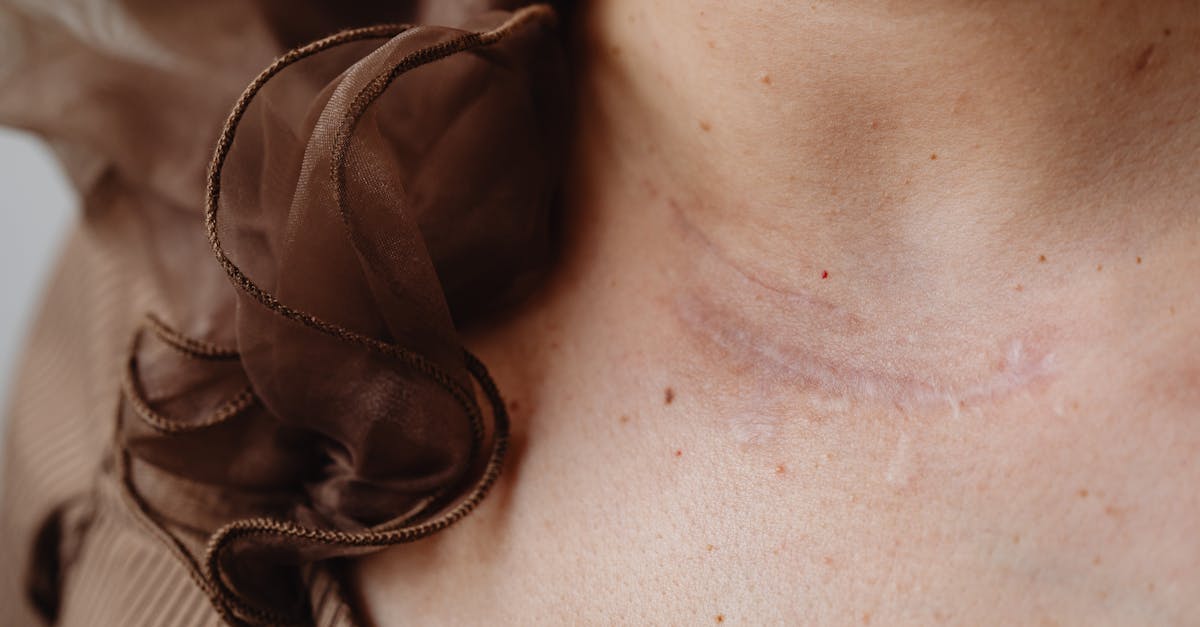
You don’t need a lab full of synthetic actives to support skin regeneration. With the right herbs, and a little kitchen chemistry, you can create spa-quality, barrier-respecting treatments using ingredients you’d feel safe eating.
As a holistic dermatologist who practices corneotherapy, my priority is always your skin barrier. That means:
- No harsh DIY acids
- No alkaline “soap” masks
- No burning peels disguised as “natural”
Instead, you’ll learn how to work with edible, whole herbs that support your skin’s own repair systems: collagen production, fibroblast activity, antioxidant defense, and controlled inflammation.
You’ll also find 15+ precise, pH-conscious recipes labeled for oily, dry, combination, and sensitive skin, each with clear safety notes and mandatory patch-test steps.
What Skin Regeneration Really Means (And Why Herbs Can Help)
When you talk about “skin regeneration,” you’re really talking about how quickly and accurately your skin replaces old, damaged cells with healthy new ones.
Your 28-Day Renewal Cycle, In Real Life
In healthy skin, keratinocytes are born in the basal layer, slowly mature as they move upward, then shed off as part of the stratum corneum. This turnover averages about 28 days in younger adults, but slows with age, stress, UV damage, and chronic inflammation.
Regeneration isn’t just about exfoliation. It’s about:
- Keratinocyte turnover (surface renewal)
- Fibroblast activity (the cells that make collagen, elastin, and hyaluronic acid)
- Collagen remodeling (how scars mature and soften)
- Barrier repair (lipids and natural moisturizing factors)
Herbs support these processes not by “forcing” your skin, but by nudging its own biology:
- Some herbs stimulate fibroblasts and collagen synthesis
- Some are anti-inflammatory, calming the chronic irritation that slows healing
- Many are antioxidant-rich, protecting regenerating cells from free radical damage
Your role is to choose herbs and preparations that support this cycle without stripping or burning the barrier. That’s where careful pH, dilution, and skin-type matching matter.
Reality check: Herbs can visibly soften fine lines, calm redness, and help marks fade more evenly over months. They do not erase deep genetic wrinkles or pigment overnight, and anything that claims to is either misleading or too aggressive for home use.
How Herbal Actives Support The Skin’s Repair Cycles
Herbal medicine is essentially biochemistry in leaf, root, or flower form. The same pathways targeted by high-end serums are influenced, more gently, by plant compounds.
Key Ways Herbs Support Regeneration
- Collagen stimulation
Herbs like Centella asiatica (gotu kola) and ginseng enhance fibroblast activity and collagen production. That translates to better support for fine lines and shallow scars over time.
- Anti-inflammatory modulation
Chronic, low-grade inflammation is a quiet barrier destroyer. Compounds in turmeric, green tea, and chamomile help down-regulate inflammatory pathways so healing can proceed in a more orderly way.
- Antioxidant protection
UV light, pollution, and internal stress all generate free radicals that damage DNA, proteins, and lipids. Polyphenols in green tea, rosemary, and licorice root help shield regenerating cells from this oxidative stress.
- Wound healing support
Aloe vera, calendula, and gotu kola support keratinocyte migration and proliferation, helping superficial wounds and post-acne marks resolve more smoothly. - Barrier and microbiome support
Humectants like aloe, plus barrier-friendly oils like rosehip and jojoba, nourish the stratum corneum. Certain herbs also have gentle antimicrobial effects that can discourage acne bacteria without obliterating your microbiome.
You’ll see these mechanisms woven into the specific remedies below, always with a focus on supporting your barrier rather than fighting your skin.
Choosing And Using Herbs Safely On Your Skin
Herbs are powerful. “Natural” doesn’t automatically mean gentle or universally safe. Corneotherapy always asks: What will this do to the barrier? and How can we minimize irritation while maximizing benefit?
Core Safety Principles
- Respect pH (aim for ~4.5–5.5)
Your skin is slightly acidic. Many DIY recipes online sneak in alkaline ingredients (like baking soda) or undiluted acids (straight lemon juice) that damage the barrier. The recipes here deliberately use ingredients that, in the suggested ratios, sit close to skin’s natural pH.
- Use food-grade, fresh ingredients
If you wouldn’t eat it, don’t put it on your face in DIY form. And don’t keep fresh preparations sitting around, most are meant to be used immediately.
- Avoid essential oils in leave-on facial care
They’re potent sensitizers, especially for already inflamed or rosacea-prone skin. This guide focuses on whole herbs, teas, and oils instead.
- One new product at a time
If you introduce three new herbal treatments in a week and your face flares, you won’t know which one was the culprit.
Mandatory Patch Test (For Every Single Remedy)
For every new recipe below:
- Apply a small amount to a discreet area (side of neck or just in front of the ear).
- Leave on for the full intended contact time, then rinse if it’s a rinse-off product.
- Wait 24 hours.
- If you notice burning, itching, hives, or delayed redness, do not use it on your face.
This is non-negotiable, especially if you have a history of eczema, allergies, or rosacea.
Top Regenerative Herbs For All Skin Types
Below are the key herbs I rely on most often for skin regeneration, plus at least one precise, at-home treatment for each.
All ratios are designed to stay roughly within skin-friendly pH (4.5–5.5) using mildly acidic bases like yogurt, aloe, or hydrosol, and avoiding harsh acids or alkalizing agents.
Calendula: The Gentle Powerhouse For Repair And Redness
Calendula is rich in triterpenoids and flavonoids that support wound healing and calm irritated skin.
Best for: Dry, sensitive, combination.
Avoid: Oily skin if very acne-prone and reactive to oils.
Remedy 1: Calendula & Oat Soothing Gel Mask
- Skin type: Dry, sensitive, combination
- Do not use this if you have sensitive skin/rosacea and are known to react to ragweed-family plants.
Ingredients (single use)
- 2 teaspoons food-grade aloe vera gel (pH ~4.5–5)
- 1 teaspoon finely ground oats (colloidal oatmeal)
- 1 teaspoon calendula tea (cooled: 1 tsp dried flowers infused in ¼ cup hot water, then strained)
The aloe base keeps the mixture mildly acidic and barrier-friendly.
Preparation
- Brew calendula tea and let it cool completely.
- In a small bowl, mix aloe gel with ground oats.
- Slowly stir in 1 teaspoon of the cooled tea until you get a soft gel consistency.
Application
- On clean, damp skin, gently spread a thin layer over the face.
- Technique: Press and smooth with fingertips: avoid vigorous rubbing to protect the stratum corneum.
- Leave on for 10–15 minutes.
- Rinse with cool or lukewarm water and pat dry.
Patch test: Always patch-test 24 hours in advance, especially if you have seasonal allergies.
Reality check: Calendula can visibly calm redness and help post-irritation recovery look smoother over weeks, but it won’t erase deep scars or broken capillaries.
Centella Asiatica (Gotu Kola): Collagen Booster And Scar Fader
Gotu kola is one of the best-studied herbs for improving collagen synthesis and scar remodeling.
Best for: Combination, oily (non-acne-angry), mature, post-acne marks.
Caution: Very inflamed or barrier-compromised skin.
Remedy 2: Gotu Kola & Rosehip Spot Serum For Post-Acne Marks
- Skin type: Combination, oily, mature
- Do not use this if you have sensitive skin/rosacea.
Ingredients (makes ~1 week of use)
- 8 ml cold-pressed rosehip oil
- 2 ml jojoba oil (to stabilize and mimic skin lipids)
- 5 drops gotu kola extract (glycerite or oil-soluble: follow product’s dermal-use guidelines)
The oil blend is naturally slightly acidic to neutral and non-alkaline, which is acceptable for a leave-on oil when used sparingly.
Preparation
- In a dark glass bottle (10 ml), add rosehip and jojoba oils.
- Add gotu kola extract dropwise.
- Cap and roll gently between palms to mix.
Application
- After cleansing and while skin is slightly damp, apply 1–2 drops only to post-acne marks, not over the entire face.
- Technique: Use your ring finger to tap gently over each mark for 30–60 seconds to encourage microcirculation, avoiding stretching the skin.
- Use at night, 3–4 times per week.
Patch test: Apply a small amount to the side of your neck for several nights in a row before using on the face.
Reality check: With consistent use over 8–12 weeks, you may see post-inflammatory marks soften and fade faster, but deep, indented scars will still require professional treatments.
Aloe Vera: Cooling, Hydrating, And Barrier-Supporting
Aloe gel is a humectant-rich base with polysaccharides that support wound healing and hydration.
Best for: All skin types, especially sensitive, dehydrated, or overheated skin.
Remedy 3: Pure Aloe & Cucumber Compress For Overheated, Irritated Skin
- Skin type: Oily, dry, sensitive, combination
Ingredients (single use)
- 1 tablespoon pure aloe gel (no added fragrance or alcohol)
- 1 teaspoon fresh cucumber juice (from grated cucumber, then strained)
- 1 tablespoon cool chamomile tea (optional for extra soothing if tolerated)
The blend remains mildly acidic thanks to aloe and cucumber.
Preparation
- Mix aloe gel with cucumber juice until uniform.
- Stir in chamomile tea if your skin tolerates chamomile.
- Soak thin cotton pads or a soft cloth in the mixture.
Application
- Lay the soaked pads over clean skin.
- Rest for 10–15 minutes.
- Remove pads and press remaining serum into the skin, no rubbing.
- Follow with a few drops of a simple oil (like jojoba) if your skin is dry.
Patch test: Test the mixture on a small area of your cheek first.
Reality check: Aloe won’t “cure” chronic rosacea or eczema, but it can temporarily reduce heat, tightness, and mild redness when used consistently.
Green Tea: Antioxidant Shield For Premature Aging
Green tea is rich in catechins that protect against UV-induced oxidative stress and support more even tone over time.
Best for: Oily, combination, normal, mildly sensitive.
Remedy 4: Green Tea Antioxidant Facial Mist
- Skin type: Oily, combination, normal
- Do not use this if you have sensitive skin/rosacea and react strongly to teas or temperature shifts.
Ingredients (for 1–2 days max)
- ½ cup filtered water
- 1 teaspoon loose green tea (or 1 tea bag)
- ½ teaspoon aloe gel
Properly brewed green tea sits around pH 4.5–5.5.
Preparation
- Bring water just below boiling.
- Steep green tea for 3 minutes, then strain and cool completely.
- Stir in aloe gel until fully dissolved.
- Pour into a clean spray bottle: store in the fridge and discard after 48 hours.
Application
- Lightly mist onto clean skin, morning and evening.
- Technique: Press in with flat palms: don’t let droplets just sit and evaporate.
- Follow with your oil or moisturizer.
Patch test: Spritz onto the inner forearm first and observe for 24 hours.
Reality check: Green tea can soften the look of dullness and support antioxidant defenses, but you still need daily mineral sunscreen for serious photoaging protection.
Chamomile: Calming Herb For Sensitive, Irritated Skin
Chamomile contains bisabolol and apigenin, powerful anti-inflammatory and soothing compounds.
Best for: Sensitive, dry, combination: not for those with ragweed allergies.
Remedy 5: Chamomile & Oat Milk Soak For Inflamed, Dry Skin
- Skin type: Dry, sensitive, combination
Ingredients (single use for face or localized body areas)
- ½ cup lukewarm chamomile tea (weak: ½ tsp flowers per ½ cup water)
- 1 tablespoon finely ground oats
This creates a milky, mildly acidic soak.
Preparation
- Brew a weak chamomile tea, cool to lukewarm.
- Whisk in ground oats until the liquid turns milky.
Application
- Soak soft cotton pads or a muslin cloth in the mixture.
- Lay gently over the affected area for 10–15 minutes.
- Rinse with cool water and pat dry.
- Seal with a few drops of jojoba oil.
Patch test: Essential for anyone with seasonal allergies.
Reality check: Chamomile can visibly soften surface irritation, but it won’t reverse chronic vascular redness or deep eczema on its own.
Rosemary: Circulation-Boosting Herb For Dull, Sluggish Skin
Rosemary is stimulating and antioxidant-rich, but it can be too intense for reactive skin.
Best for: Oily, combination, resistant skin.
Avoid: Sensitive, rosacea-prone.
Remedy 6: Rosemary & Green Tea Steam For Congested, Dull Skin
- Skin type: Oily, combination
- Do not use this if you have sensitive skin/rosacea. (Heat and steam are major triggers.)
Ingredients (single steam)
- 2 cups hot (not boiling) water
- 1 teaspoon dried rosemary leaves
- 1 teaspoon green tea
Water pH remains close to neutral: contact is via vapor, not direct infusion on the skin.
Preparation
- Place rosemary and green tea in a large bowl.
- Pour hot water over the herbs and steep for 3–5 minutes.
Application
- Sit comfortably, drape a towel loosely over your head and bowl.
- Keep your face at least 10–12 inches from the surface.
- Steam for 5–7 minutes, taking breaks as needed.
- Rinse with cool water, then apply a simple hydrating mist and oil.
Patch test: Not applicable in the usual way: instead, test by steaming one cheek for 1–2 minutes on a separate day and observe your skin’s reaction.
Reality check: Steaming can temporarily brighten and decongest, but overuse will dehydrate and irritate your barrier.
Turmeric: Brightening Root For Uneven Tone And Marks
Turmeric’s curcumin content offers anti-inflammatory and pigment-modulating benefits, but it stains and can irritate.
Best for: Oily, combination, non-sensitive skin.
Remedy 7: Turmeric & Yogurt Brightening Spot Mask
- Skin type: Oily, combination
- Do not use this if you have sensitive skin/rosacea.
Ingredients (for local use, not full face)
- 1 teaspoon plain yogurt (whole milk: pH ~4.5)
- ⅛ teaspoon turmeric powder (a pinch)
- ½ teaspoon honey
The yogurt base keeps the pH comfortably acidic.
Preparation
- In a small dish, mix yogurt and honey.
- Whisk in turmeric until the color is even.
Application
- Apply only to dark marks or small areas of uneven tone.
- Technique: Tap on gently with a fingertip or cotton swab.
- Leave on for 5–7 minutes (no longer).
- Rinse thoroughly and follow with moisturizer.
Patch test: Essential, test on the jawline first to rule out staining and irritation.
Reality check: Turmeric may gently brighten superficial pigment over weeks, but it won’t erase deep melasma or genetic pigmentation.
Licorice Root: Gentle Lightener For Post-Inflammatory Marks
Licorice contains glabridin, which can calm inflammation and influence pigment pathways.
Best for: Oily, combination, some normal skin.
Remedy 8: Licorice & Honey Gel For Post-Inflammatory Redness
- Skin type: Oily, combination, normal
- Do not use this if you have sensitive skin/rosacea.
Ingredients (single use)
- 1 teaspoon cooled licorice root tea (weak: ½ tsp root per ½ cup water)
- 1 teaspoon aloe gel
- ½ teaspoon honey
The honey-aloe base is mildly acidic.
Preparation
- Brew weak licorice tea and cool completely.
- Stir together aloe and honey.
- Add 1 teaspoon of licorice tea to form a light gel.
Application
- Apply a thin layer over areas with lingering redness from past breakouts.
- Leave on for 10 minutes.
- Rinse and pat dry.
Patch test: Important, especially if you have blood pressure issues and are considering internal licorice (which isn’t recommended here without medical supervision).
Reality check: Licorice can help post-inflammatory redness fade more evenly, but it won’t bleach your natural skin color.
Comfrey: Traditional Regenerator To Use With Extra Care
Comfrey contains allantoin, which supports cell proliferation, but also pyrrolizidine alkaloids, which raise safety questions with deep or long-term use.
Best for: Intact, localized areas of rough, non-broken skin on the body.
Not recommended: For the face, pregnant or breastfeeding individuals, or broken skin.
Remedy 9: Minimal Comfrey Hand Balm (Body Only)
- Skin type: Dry, mature (hands, elbows only)
- Do not use this if you have sensitive skin/rosacea. Do not use on the face.
Ingredients (small batch)
- 9 grams olive or jojoba oil
- 1 gram dried comfrey leaf
- 4 grams beeswax
Oil/wax balms don’t have a measurable pH but don’t alkalize the skin.
Preparation
- Gently warm oil with comfrey leaf in a double boiler for 30 minutes: keep it just warm, not hot.
- Strain out the herb.
- Return the infused oil to low heat and add beeswax until melted.
- Pour into a small tin and allow to set.
Application
- Massage a tiny amount into rough patches on hands or body only, once daily.
- Technique: Slow, circular massage to encourage circulation: avoid over-rubbing sensitive areas.
Patch test: Test on a small patch of your forearm first and monitor for 48 hours.
Reality check: Comfrey can soften rough skin, but because of safety concerns, it’s not a first-line facial herb. Use safer options (like calendula or aloe) on your face.
Best Herbs For Specific Skin Concerns
Now, let’s match these herbs to the concerns you’re most likely trying to address, and add a few more targeted treatments so you have at least 15 distinct options.
Post-Acne Marks And Mild Scarring
Focus on collagen-supportive and pigment-modulating herbs.
Remedy 10: Green Tea & Gotu Kola Overnight Gel
- Skin type: Oily, combination, normal
- Do not use this if you have sensitive skin/rosacea.
Ingredients (single use)
- 1 teaspoon aloe gel
- ½ teaspoon strong green tea (cooled)
- 1–2 drops gotu kola glycerite
Preparation
- Mix aloe with cooled green tea.
- Add gotu kola glycerite and stir gently.
Application
- At night, apply a thin film over areas with post-acne marks.
- Technique: Glide on with fingertips, then press in lightly: don’t layer with multiple strong actives.
- Rinse in the morning.
Patch test: Test on the jawline first overnight.
Sun Damage, Dullness, And Fine Lines
You want antioxidants plus barrier-supportive lipids.
Remedy 11: Rosehip & Green Tea Facial Oil For Photoaged Skin
- Skin type: Dry, mature, combination
- Do not use this if you have sensitive skin/rosacea and struggle with oil-based products or fragrance in oils.
Ingredients (1–2 weeks)
- 7 ml rosehip oil
- 3 ml jojoba oil
- 2 ml strained, well-cooled green tea (shaken before each use: discard after 7 days and keep refrigerated)
Preparation
- Combine rosehip and jojoba in a small dropper bottle.
- Add cooled green tea: shake vigorously (it’ll be a bi-phase product).
Application
- After misting with plain green tea or chamomile, place 2–3 drops of the oil in your palm.
- Technique: Press palms together, then press onto face, focusing on sun-exposed areas.
- Use at night, 3–5 times per week.
Patch test: Essential, bi-phase products can be trickier for reactive skin.
Reality check: You may notice more luminosity and plumpness over 2–3 months, but etched-in wrinkles will still be visible.
Sensitive, Reactive, Or Red Skin
Your main goals: calm inflammation and protect the barrier, no aggressive brighteners.
Remedy 12 (Internal): Chamomile & Rooibos Evening Tea
- Skin type: All, especially sensitive
Ingredients (1 mug)
- 1 teaspoon chamomile flowers
- 1 teaspoon rooibos tea
- 1 cup hot water
Preparation & Application
- Steep chamomile and rooibos in hot water for 5–7 minutes.
- Strain and sip slowly in the evening.
You’re addressing internal inflammation and stress, which indirectly supports more orderly skin regeneration.
Patch test: Not applicable, but if you’re prone to allergies, start with a few sips only.
Dry, Dehydrated, Or Barrier-Damaged Skin
Choose humectant-rich gels and oil balms that mimic skin lipids.
Remedy 13: Rosehip–Jojoba Minimalist Barrier Balm
- Skin type: Dry, mature, combination
Ingredients (small jar)
- 8 grams jojoba oil
- 7 grams rosehip oil
- 5 grams beeswax
Preparation
- Warm oils with beeswax until melted.
- Pour into a small jar and let cool.
Application
- At night, apply a pea-sized amount over damp skin.
- Technique: Warm between fingers, then press over cheeks and any dry patches, avoid tugging.
Patch test: Always test along the jawline for clogged pores or irritation.
Mature Skin With Loss Of Firmness
Support collagen, circulation, and antioxidant defenses from inside and out.
Remedy 14 (Internal): Ginseng & Green Tea Morning Brew
- Skin type: All, especially mature (check with your physician if you have medical conditions or take medications).
Ingredients (1 mug)
- ½ teaspoon ginseng slices or root
- 1 teaspoon green tea
- 1 cup hot water
Preparation & Application
- Simmer ginseng in water for 5 minutes: remove from heat.
- Add green tea and steep 2–3 minutes.
- Strain and sip in the morning.
You’re supporting systemic energy and antioxidant status, which complements topical care.
Patch test: Not relevant: instead, monitor for jitteriness, palpitations, or insomnia, if present, stop and speak with your doctor.
DIY Spa-Quality Herbal Preparations (Using Edible, Minimal Ingredients)
At this point you’ve already met 14 distinct treatments. Let’s round out your at-home spa menu with a few more options, staying strictly in the edible, minimalist realm.
Infusions, Decoctions, And Herbal Teas For Skin
These support your skin from within and can double as bases for compresses.
Remedy 15: Simple Antioxidant Skin Tea
- Skin type: All
Ingredients (1 pot)
- 1 teaspoon green tea
- 1 teaspoon rooibos
- ½ teaspoon dried rosehips
- 2 cups hot water
Preparation & Internal Use
- Steep all herbs in hot water for 7–10 minutes.
- Strain and sip throughout the day.
Topical Use (optional)
- Cool a small amount and use as a brief facial rinse after cleansing.
Patch test: If using topically, test on the side of your neck first.
Herbal Oils, Macerations, And Simple Balms
These give you long-lasting, travel-friendly products with just a few ingredients.
Remedy 16: Calendula–Jojoba Everyday Facial Oil
- Skin type: Dry, combination, mature
- Do not use this if you have sensitive skin/rosacea and known ragweed allergy.
Ingredients (small bottle)
- 9 ml jojoba oil
- 1 ml dried calendula petals (by volume: a pinch)
Preparation
- Place calendula petals in a clean glass bottle.
- Cover fully with jojoba oil.
- Infuse in a cool, dark place for 2 weeks, shaking gently every day, then strain.
Application
- Apply 2–3 drops to damp skin after misting.
- Technique: Press into cheeks, then smooth outward, avoiding aggressive massage.
Patch test: Test on the neck nightly for 3 nights before applying to the face.
Fresh Masks, Compresses, And Steams
Short-contact, rinse-off treatments let you enjoy herbal benefits without overloading the barrier.
Remedy 17: Green Oat Exfoliating Paste (Ultra-Gentle Scrub)
- Skin type: Oily, combination, non-sensitive
- Do not use this if you have sensitive skin/rosacea. Physical exfoliation and scrubbing can worsen redness.
Ingredients (single use)
- 1 teaspoon finely ground oats
- 1 teaspoon cooled green tea
- ½ teaspoon aloe gel
The combination stays mildly acidic and very low-abrasion if oats are finely milled.
Preparation
- Mix oats with aloe gel.
- Add green tea drop by drop until a soft paste forms.
Application
- On damp skin, glide the paste over your face.
- Technique: Use feather-light, circular movements for no more than 30 seconds.
- Rinse thoroughly and immediately follow with a hydrating mist and oil.
Patch test: Try on one cheek only before using on your whole face.
Remedy 18: Aloe–Chamomile Eye Compress (Barrier-Respecting)
- Skin type: All, especially dry, tired eyes
Ingredients (single use)
- 1 tablespoon cooled chamomile tea (very weak)
- 1 teaspoon aloe gel
Preparation
- Mix chamomile tea with aloe until slightly viscous.
- Soak cotton pads and gently squeeze out excess.
Application
- Place pads over closed eyes only.
- Rest for 5–10 minutes.
- Remove and pat in any remaining moisture around, not into, the eyes.
Patch test: Test on the outer corner of one eye area first for 10 minutes on a different day.
Building A Minimalist Herbal Skincare Ritual
The goal isn’t to use all 18 remedies at once. It’s to curate 2–4 that suit your skin and rotate them intelligently.
Morning Routine For Protection And Radiance
- Gentle cleanse or just rinse with cool or lukewarm water.
- Hydrating mist: Green Tea Antioxidant Mist (Remedy 4) if your skin tolerates it.
- Oil or balm: A few drops of Calendula–Jojoba Everyday Facial Oil (Remedy 16) for dry/combination, or a lighter amount of Gotu Kola Spot Serum (Remedy 2) only where needed.
- Mineral sunscreen: Daily, regardless of herbal routine. This is non-negotiable for real-world regeneration.
Night Routine For Repair And Regeneration
- Thorough but gentle cleanse with a pH-balanced, non-foaming cleanser.
- Soothing compress or rinse: Chamomile & Oat Milk Soak (Remedy 5) 1–2 nights per week if you’re dry or sensitive.
- Targeted treatment:
- Post-acne marks: Gotu Kola & Rosehip Spot Serum (Remedy 2) or Green Tea & Gotu Kola Overnight Gel (Remedy 10).
- Dry/mature: Rosehip–Jojoba Barrier Balm (Remedy 13).
- Optional overnight gel: Aloe & Cucumber Compress (Remedy 3) adapted as a thin leave-on layer for overheated skin.
Always introduce one treatment at a time, 2–3 nights apart, so you can read your skin’s response.
Weekly “At-Home Spa” Regeneration Treatments
Pick one of the following each week:
- Steaming (Remedy 6) if you’re oily/combination and not rosacea-prone
- A gentle mask (Remedy 1, 3, or 5)
- A very light exfoliating paste (Remedy 17) if you’re non-sensitive
Follow with deep hydration (aloe, mists) and a barrier-supporting oil or balm.
Think of these as supportive nudges, not aggressive overhauls.
Common Mistakes To Avoid With Herbal Skin Regeneration
Even the best herbs can backfire if you use them in barrier-damaging ways.
Avoid these traps:
- Using undiluted acids (like straight lemon or vinegar) on your face
These can push pH far below 4, causing stinging, barrier disruption, and rebound pigment.
- Baking soda “scrubs” or masks
Baking soda is highly alkaline: it disrupts the acid mantle and impairs regeneration.
- Essential oils directly on the skin
Especially “hot” oils like cinnamon, clove, or undiluted tea tree. Sensitization from these can be permanent.
- Over-steaming and over-scrubbing
Steaming more than once a week, or scrubbing more than once every 10–14 days (or at all, if you’re sensitive), is too much for most faces.
- Layering multiple new herbs at once
If you react, you won’t know the culprit, and your barrier pays the price.
- Ignoring your internal terrain
Sleep, blood sugar, gut health, and stress all influence how well your skin can regenerate. Herbal teas (like Remedies 12, 14, and 15) are gentle internal supports, but not substitutes for medical care when needed.
When To Seek Professional Help Instead Of DIY
DIY herbal care shines for mild concerns and maintenance. But it has clear limits.
Consult a board-certified dermatologist or qualified practitioner if you notice:
- Sudden, severe or rapidly spreading rashes
- Painful, deep cystic acne
- Thick plaques, cracks, or oozing lesions
- Rapidly changing moles or pigmented spots
- Severe or persistent flushing, burning, or visible vessels (possible rosacea)
- Wounds that don’t heal within a few weeks
Also seek guidance if you’re pregnant, breastfeeding, or on multiple medications before starting internal herbs like ginseng or licorice.
Think of your herbal routine as support, not a replacement, for appropriate medical evaluation and treatment.
Conclusion
Herbs can absolutely play a central role in your skin’s regeneration, when you use them with the same care you’d bring to professional skincare, and with deep respect for your barrier.
By focusing on mildly acidic, edible ingredients: patch-testing every formula: and choosing herbs that match your skin type and concerns, you can create a small, potent apothecary at home:
- Calendula, chamomile, and aloe to soothe and protect
- Gotu kola, ginseng, and green tea to support collagen and antioxidant defense
- Rosehip, licorice, and turmeric (for non-sensitive skin) to gently support more even tone
The real magic isn’t in a single “miracle herb,” but in steady, consistent care that lets your skin do what it’s designed to do: renew itself.
Start with one or two of the remedies that feel most aligned with your skin and lifestyle. Introduce them slowly, listen to your skin’s feedback, and let your ritual evolve over time, calmly, intentionally, and always barrier-first.
Frequently Asked Questions About the Best Herbs for Skin Regeneration
What are the best herbs for skin regeneration and how do they work?
Some of the best herbs for skin regeneration include calendula, centella asiatica (gotu kola), aloe vera, green tea, chamomile, rosemary, turmeric, licorice root, and rosehip. They support collagen production, calm inflammation, provide antioxidants, and aid barrier repair, helping skin renew itself more smoothly over time without harsh exfoliation.
How can I safely use herbs for skin regeneration at home?
Stick to edible, food-grade herbs and mildly acidic bases like aloe, yogurt, or hydrosols. Avoid baking soda, straight lemon juice, and essential oils in leave‑on products. Introduce only one new remedy at a time and always patch test, waiting 24 hours to check for burning, itching, or delayed redness.
Which herbs are best for post-acne marks and mild scarring?
For post-acne marks and mild scarring, centella asiatica (gotu kola), green tea, rosehip oil, licorice root, and turmeric can be helpful. They support collagen remodeling and more even pigment. Use them in targeted spot serums, gels, or masks consistently for 8–12 weeks, while avoiding barrier-damaging scrubs or peels.
What are the best herbs for skin regeneration if I have sensitive or rosacea-prone skin?
For sensitive or rosacea-prone skin, focus on gentler herbs like aloe vera, calendula (if you’re not ragweed-allergic), chamomile, oats, and rooibos. Use them in cool compresses, weak teas, or simple gels. Avoid heat (steaming), strong turmeric masks, many essential oils, and anything that stings or causes flushing.
Can herbs replace professional treatments for wrinkles and scars?
Herbs can support skin regeneration by softening fine lines, calming redness, and helping marks fade more evenly over months, but they won’t erase deep wrinkles or indented scars. For significant photoaging, melasma, or deep scarring, herbal care should complement—not replace—professional treatments recommended by a dermatologist.
How long does it take for the best herbs for skin regeneration to show visible results?
Most herbal skin regeneration routines need time and consistency. You may notice short-term benefits—like reduced redness or better hydration—within days to weeks. Collagen support, scar remodeling, and pigment changes generally take 8–12 weeks or longer, especially if you’re also addressing lifestyle, sun protection, and internal inflammation.

